Carbon Monoxide Safety During Heating Season: A Homeowner's Guide
Carbon monoxide has no smell and no color, which is why a working detector and a plan matter more than a good nose.
September 30, 2026 · 3 min read
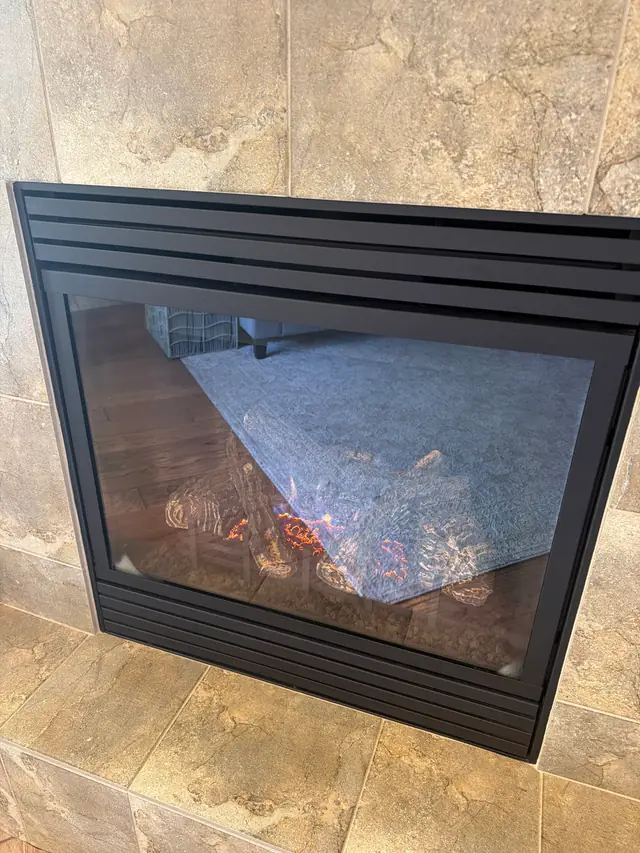
When the first cold snap hits the Tri-Cities, furnaces and gas fireplaces that have sat idle since spring all fire up in the same week. Most of them run without any trouble. A few do not, and the problem with carbon monoxide is that you cannot see it or smell it. This guide covers where it comes from, what the warning signs look like, and what to do. Read it once now, before you need it.
Where carbon monoxide comes from
Carbon monoxide, often called CO, is produced any time fuel burns without enough oxygen to burn completely. A gas furnace, a gas fireplace, a water heater, a stove and a gas dryer all burn fuel, and in a healthy, properly vented appliance the exhaust goes outdoors. Trouble starts when something interrupts that: a blocked flue, a cracked heat exchanger, a burner that needs cleaning, or a vent damaged by weather or pests.
Cars and generators are another common source. Never run a car, a generator or a grill in a garage or anywhere attached to living space, even with the door open.
Warning signs to know
The symptoms of CO exposure look a lot like the flu, which is what makes it easy to miss. Watch for a pattern rather than a single symptom.
- Headaches, dizziness, nausea or unusual tiredness
- Symptoms that ease when you leave the house and return when you come back
- More than one person in the home feeling unwell at once
- Pets that seem sick or sluggish
- Confusion or trouble concentrating
Some signs show up at the appliance itself. A furnace or fireplace flame that burns yellow or orange when it should burn mostly blue, a pilot light that keeps going out, soot or scorch marks around an appliance, and unusual condensation on windows are all reasons to have a technician look at the equipment.
Gas fireplaces deserve a mention of their own. One that sits unused most of the year can collect dust, cobwebs and debris around the burner, and the glass, the vent and the gas connections all need a periodic look. If you ever smell gas, that is a different emergency: leave the house right away and call 911 or your gas utility from outside. Do not flip switches or use a phone inside.
Detectors: where and how many
A CO detector is the only reliable way to know. Do not rely on your nose. A few practical rules apply:
- Put one on every level of the home and one near each sleeping area
- Follow the manufacturer's instructions for placement, and do not hide one behind furniture or curtains
- Test the detectors regularly and replace batteries on a schedule you will actually keep
- Check the replacement date printed on the unit. Detectors do wear out
- Choose a model with battery backup so it works through a power outage
What to do if the alarm sounds
Treat every alarm as real until proven otherwise. Do not open a few windows and go back to what you were doing.
- Get everyone, including pets, out of the house into fresh air
- Call 911 from outside, and tell them it is a carbon monoxide alarm
- Do not go back in until emergency responders say it is safe
- Once the home is cleared, have the equipment inspected before anyone uses it again
If anyone is feeling ill, say so when you call. Medical attention comes first, and the furnace can wait.
Keeping your equipment safe before winter
Prevention is far easier than response. Have your furnace inspected before heating season, not in the middle of it. A technician can check the burners, the flame, the heat exchanger and the venting, and can spot the early signs of a problem. The same goes for gas fireplaces, which need their own attention. Jacobs and Rhodes installs and maintains gas fireplaces and gas piping, and our factory-trained, EPA certified technicians service furnaces across all brands.
Keep outdoor vents and intake pipes clear of snow, leaves and debris. Do not store paint, cleaning products or boxes against a furnace or water heater. And never use an oven or a gas range to heat the house.
If you are unsure, call
If an alarm has sounded and you are safe outside, call 911 first. Once everyone is safe and the alarm has been dealt with, call the office at (509) 783-3121 to schedule an inspection. Our service technicians are on call 24/7, and the service line is (509) 408-0556.
Jacobs and Rhodes Heating and Air Conditioning, (509) 783-3121
Call (509) 783-3121More articles
What Is a Defrost Cycle, and Is That Steam From My Heat Pump Normal?
If your outdoor unit is smoking on a cold morning, it is probably doing exactly what it was built to do.
Refrigerant Options in HVAC Systems: A Homeowner's Guide
Your existing system is not suddenly obsolete, but the refrigerant change does shape what you should ask before you repair or replace.